
$ 3.95
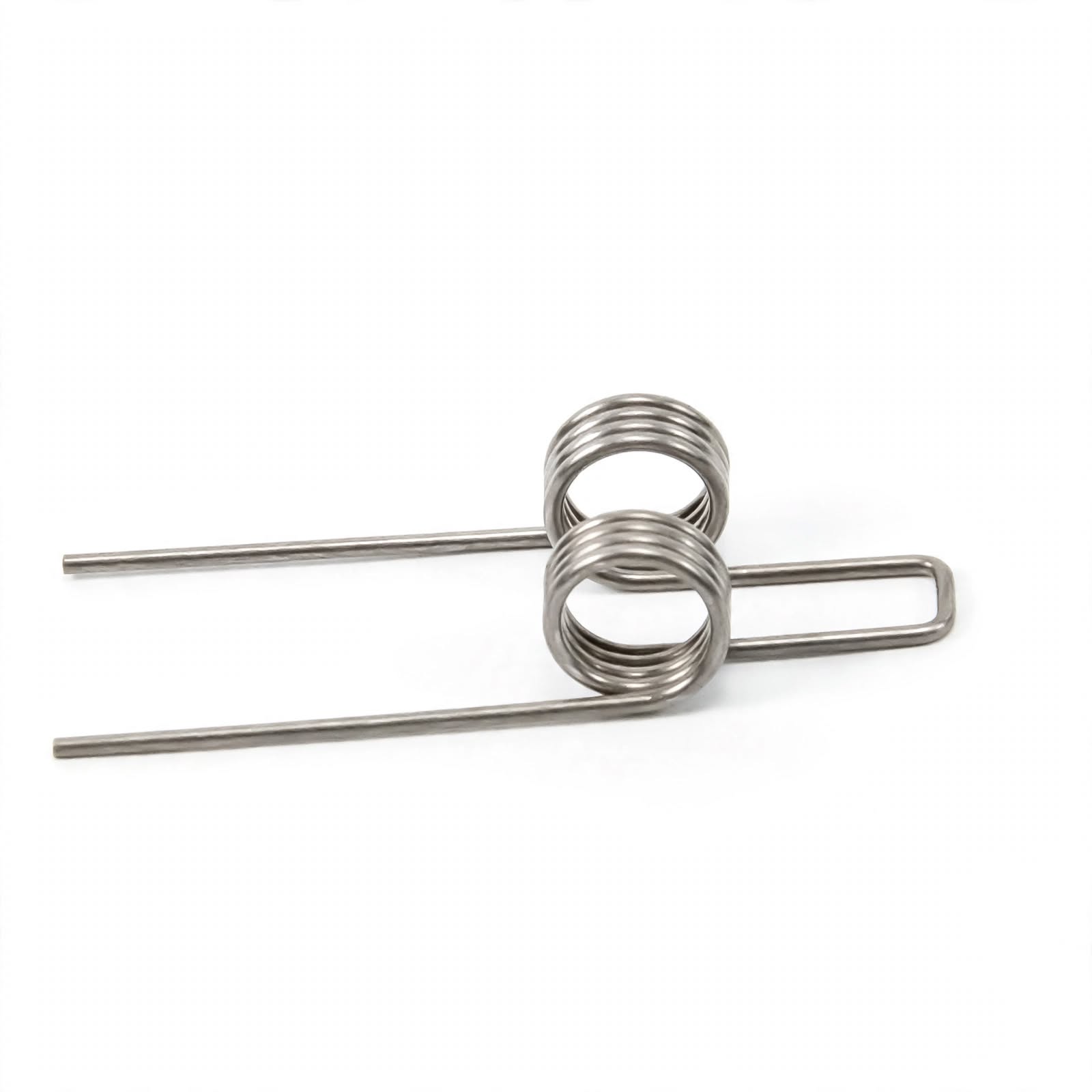
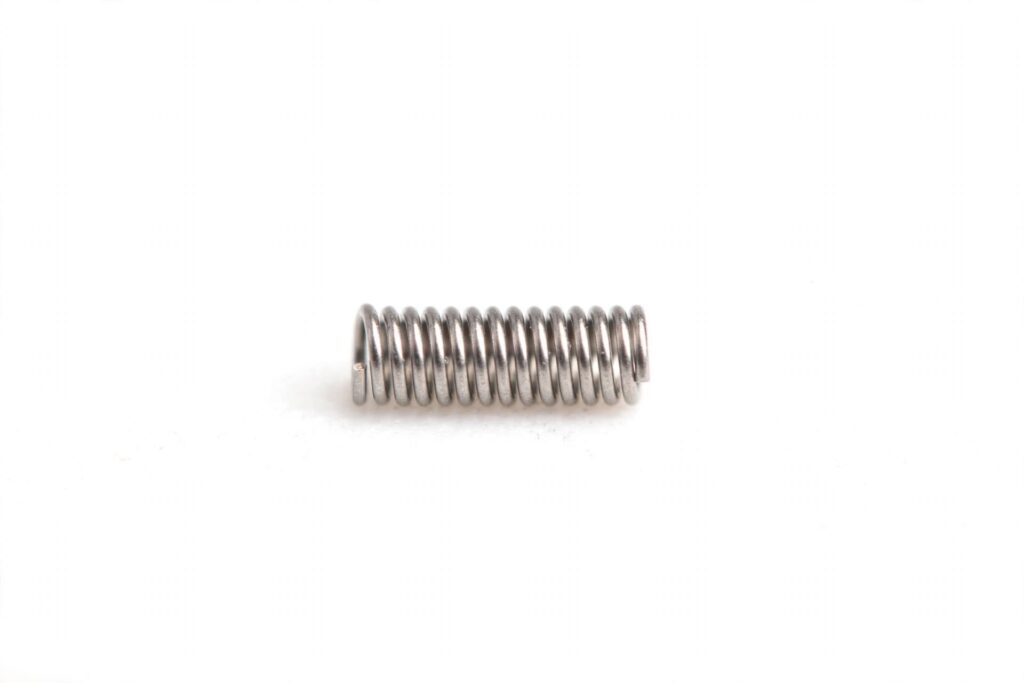
AR-15 LPK Hammer Spring – Mil-spec hammer power spring. High-carbon music wire, heat-treated and stress-relieved for fatigue resistance. Delivers ∼20+ lbs of hammer drive for reliable ignition of hard primers and steel-case ammo. Correct leg geometry for secure seating on the trigger pin. Fits all standard AR-15 lowers.
In stock – ready to ship
In stock – ready to ship
The AR-15 LPK Hammer Spring is the coiled, double-leg spring that powers your hammer, providing the energy that drives the hammer forward to strike the firing pin with sufficient force to detonate the primer under all conditions. The hammer spring sits wrapped around the hammer pin bosses on the hammer itself, with its two legs resting on top of the trigger pin and its coiled center pressing against the rear of the hammer. When the hammer is cocked back by the bolt carrier during cycling, the hammer spring is compressed and stores energy. When the trigger is pulled and the sear releases the hammer, the hammer spring releases that stored energy, driving the hammer forward with significant force — typically 20+ pounds of force at the hammer face — to strike the firing pin tail, which in turn hits the primer to fire the cartridge. The hammer spring’s power directly determines ignition reliability — a weak, fatigued, corroded, or incorrect hammer spring causes light primer strikes, failure to fire, especially with hard military primers, steel-case ammunition, and in cold weather where primers are less sensitive. A spring that is too strong causes excessive wear on the fire control group and heavy trigger pull. Without a functional hammer spring, your rifle becomes a single-shot bolt action at best, or completely non-functional.
This is a mil-spec replacement hammer spring, manufactured from high-carbon spring steel music wire, wound to exact coil count, leg length, and leg angle for correct power and geometry, heat-treated and stress-relieved for fatigue resistance, and finished with corrosion-resistant treatment for reliable operation. Compatible with all standard AR-15, M4, M16, and AR-10 lower receivers using mil-spec fire control groups, including forged, billet, and 80% lowers, and with all standard mil-spec hammers, including MIM, cast, and tool steel hammers, with and without J Pin. Whether you are completing a stripped lower, replacing a weak spring causing light strikes, or stocking your armorer’s bench with the most failure-critical spring in the lower, this hammer spring restores positive, reliable hammer drive and ignition.
The spring that decides whether your rifle goes bang or click when you pull the trigger.
1. Mil-Spec Music Wire with Correct Coil Count and Leg Geometry for Positive Ignition Energy: The hammer spring is not just any spring — its coil count, wire diameter, leg length, leg angle, and free height determine exactly how much energy is delivered to the hammer and thus to the firing pin and primer. A spring with too few coils, thin wire, or short legs delivers insufficient energy, causing light primer strikes that show as shallow dents on the primer, failure to fire on first strike, need for a second strike, or complete failure with hard mil-spec primers and steel-case ammo — a failure that stops your rifle in a defense or competition situation. A spring with legs that are bent incorrectly will not seat properly on the trigger pin, causing the hammer to bind, the spring to kink, or the legs to slip off during firing, leading to hammer follow, doubling, or hammer spring failure. This hammer spring is wound from high-carbon music wire to exact mil-spec diameter and coil count — the correct number of active coils to store the required energy without excessive compression set. Leg length and leg angle are formed to mil-spec geometry — legs sit flat and securely on top of the trigger pin with the correct preload, coiled body wraps cleanly around hammer bosses without rubbing or binding. Leg ends are formed with correct hooks to engage the lower receiver floor and hammer correctly. When installed, the spring provides correct preload — the hammer is driven forward with a crisp, powerful strike, yet trigger pull weight remains within mil-spec range and the hammer cocks smoothly by the bolt carrier. The result is a hammer that falls with authoritative force, delivering deep, consistent primer strikes that ignite even hard 5.56 NATO primers, steel-case Berdan primers, and in cold weather, without requiring second strikes. The spring geometry also ensures the hammer is held securely cocked on the sear without creep, preventing doubling and hammer follow.
2. Heat-Treated and Stress-Relieved Spring Steel for Fatigue Resistance and Tens of Thousands of Cycles: The hammer spring is the most heavily stressed in the entire lower parts kit — it is fully compressed and released every single time the rifle fires, enduring thousands of high-stress cycles that cause inferior springs to take a set, lose power, weaken, and cause light strikes. Cheap import springs made from low-grade wire, not heat-treated, not stress-relieved, lose 20-30% of their power within a few hundred rounds, causing light strikes that get progressively worse until the rifle will not fire at all. This hammer spring is made from genuine high-carbon spring steel music wire, heat-treated to spring temper and stress-relieved after winding to eliminate internal stresses that cause premature fatigue. The heat treatment ensures the spring maintains its free height and force output after thousands of cycles — it will not take a set, sag, weaken, or develop cracks at the coil bends that are common failure points. The wire surface is smooth and free of nicks and tool marks that create stress risers leading to breakage. Corrosion-resistant finish protects against rust that causes binding, pitting, and loss of spring force, especially in the lower receiver area exposed to carbon fouling, sweat, and moisture. The spring will deliver consistent ignition energy for tens of thousands of rounds, maintaining reliable primer strikes for the life of the rifle. This is a duty-grade spring built for rifles that must fire every time — defense, duty, competition, and training rifles where a click instead of bang is not acceptable.
3. Drop-In Replacement – Most Critical Spring for Ignition Reliability – Essential Spare for Every Lower: Replacing a hammer spring is straightforward but critical — you must ensure legs are correctly oriented on top of the trigger pin, not under it, and that coils are correctly seated on hammer bosses. Installing the hammer spring backwards is a common builder error that causes weak hammer strikes and failure to fire. Many builders keep spare hammer springs because they are the first spring to check when diagnosing light primer strikes — a quick spring swap often restores reliable ignition without replacing the entire fire control group. This spring is a direct drop-in replacement: remove hammer pin, lift hammer out, replace spring ensuring legs rest on top of trigger pin with coils around hammer bosses, reinstall hammer and pin, function check for positive hammer fall and trigger reset. No fitting required. Compatible with all standard AR-15 / M4 / M16 / AR-10 lowers using mil-spec fire control groups. Whether you have light strikes with steel-case, your rifle fails to fire hard primers, your old spring is weak after high round count, or you are building multiple lowers, this spring restores powerful, reliable hammer drive and positive ignition.
The AR-15 LPK Hammer Spring delivers high-carbon music wire and heat-treated construction for consistent, positive ignition for tens of thousands of rounds.
Type: AR-15 LPK Hammer Spring – Fire Control Group Hammer Power Spring – Double-Leg Coiled Spring. Material: High-Carbon Spring Steel Music Wire – Heat-Treated and Stress-Relieved for Fatigue Resistance – Corrosion-Resistant Finish. Geometry: Mil-Spec Coil Count, Wire Diameter, Leg Length, Leg Angle, and Free Height – Coiled Center Wraps Around Hammer Bosses – Double Legs Rest on Trigger Pin – Correct Hooks for Receiver Floor Engagement. Function: Stores Energy When Hammer Cocked by Bolt Carrier – Drives Hammer Forward with ∼20+ lbs Force to Strike Firing Pin – Determines Ignition Reliability – Holds Hammer Cocked Securely on Sear. Compatibility: All Standard AR-15 / M4 / M16 / AR-10 Lower Receivers Using Mil-Spec Fire Control Groups – Forged, Billet, 80% Lowers – All Standard Mil-Spec Hammers (MIM, Cast, Tool Steel, with/without J Pin). Installation: Place Coils Around Hammer Bosses, Legs on Top of Trigger Pin, Install Hammer and Pin, Function Check.
Reviews
There are no reviews yet.