
$ 1.95
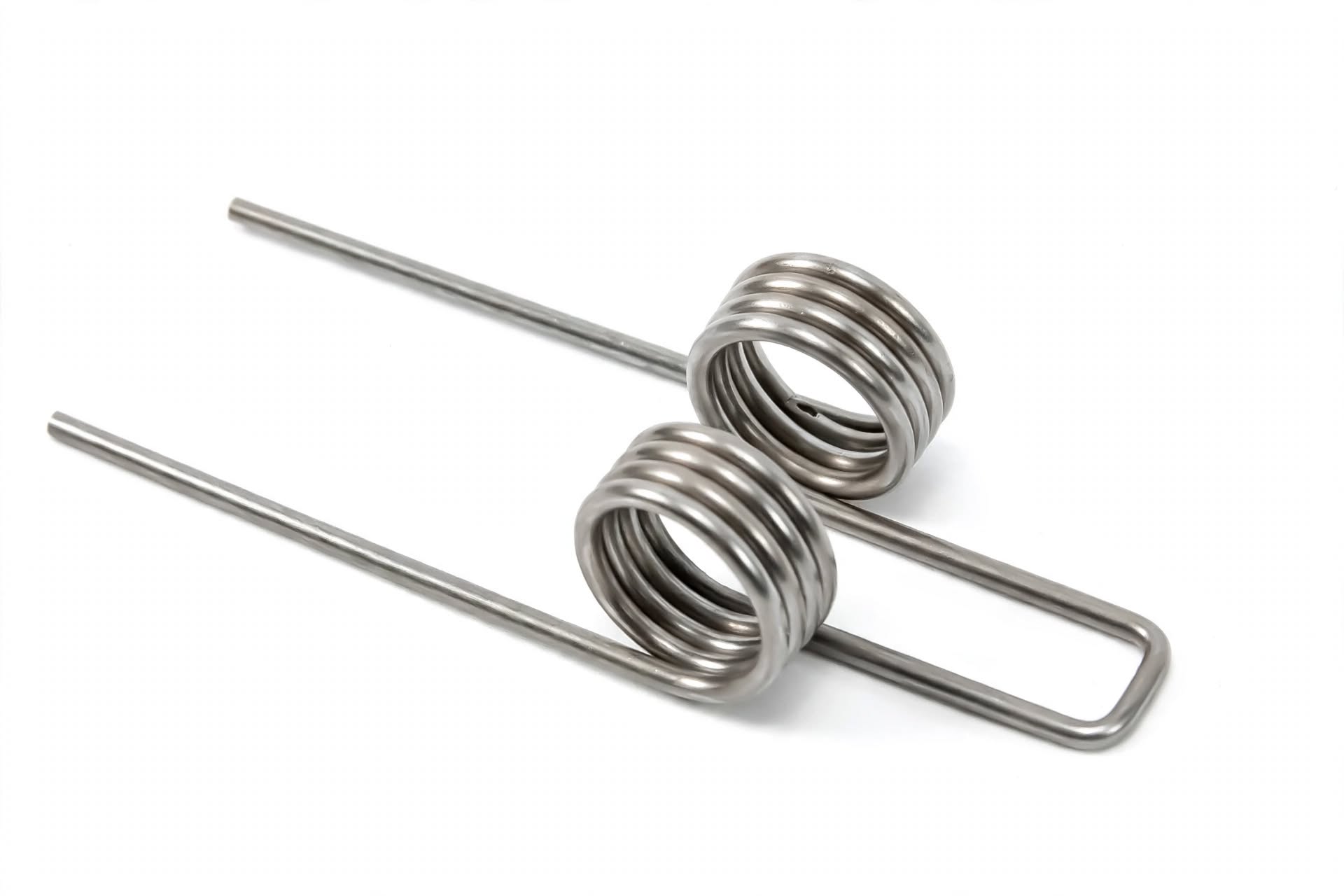
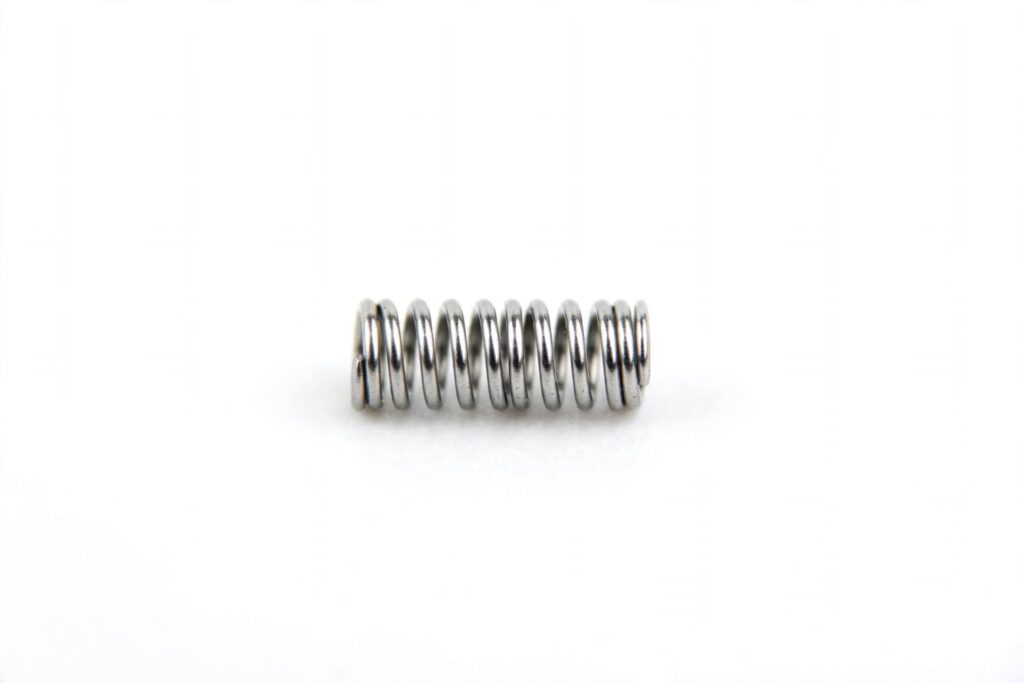
AR-15 LPK Disconnector Spring – Mil-spec tapered conical spring. Wide end down for secure trigger hole seating, narrow end up for centered disconnector contact. High-carbon steel, heat-treated for fatigue resistance. Prevents hammer follow and doubling. Correct orientation critical — wide end down. Fits all standard AR-15 lowers.
In stock – ready to ship
In stock – ready to ship
The AR-15 LPK Disconnector Spring is the small, tapered, conical spring that powers your disconnector, enabling it to capture the hammer after firing when the trigger is held back, preventing hammer follow, doubling, and uncontrolled full-auto malfunction. The disconnector sits inside the trigger, pivoting on the trigger pin, with its hook facing upward to catch the hammer’s disconnector hook after the rifle fires. When you fire, the bolt carrier cycles rearward and cocks the hammer back; the hammer is caught by the disconnector hook, held there as long as you hold the trigger back. Then, when you release the trigger, the disconnector releases the hammer to the trigger sear for the next shot. The disconnector spring sits in a blind hole in the rear of the trigger, pushing upward on the disconnector, keeping it engaged with the hammer. The spring is tapered — wide end down into the trigger hole, narrow end up against the disconnector — this taper prevents the spring from binding, kinking, or popping out, and ensures the disconnector moves smoothly with positive spring tension. Without this spring, or with a weak, collapsed, non-tapered, or backwards-installed spring, your disconnector will not capture the hammer reliably, causing hammer follow where the hammer follows the bolt carrier forward without striking with full force, causing light strikes, failure to fire, or worse, doubling and uncontrolled burst fire that is extremely dangerous and illegal.
This is a mil-spec replacement disconnector spring, manufactured from high-carbon spring steel music wire, wound with correct taper — wide base, narrow top — exact coil count, and correct free height for proper disconnector tension, heat-treated and stress-relieved for fatigue resistance. Finished with corrosion-resistant treatment. Compatible with all standard AR-15, M4, M16, and AR-10 lower receivers using mil-spec fire control groups, including forged, billet, and 80% lowers, and with all standard mil-spec disconnectors and triggers. Whether you are completing a stripped lower, replacing a lost or incorrectly installed spring causing doubling or hammer follow, or stocking your bench with the most commonly lost tiny spring in the LPK, this disconnector spring restores reliable disconnector function and safe semi-auto operation.
The tiny tapered spring that prevents hammer follow and keeps your AR-15 firing safely in semi-auto.
1. Correct Tapered Conical Design with Wide End Down for Positive Disconnector Engagement: The disconnector spring is not straight — it is intentionally tapered conical, wide at the bottom, narrow at the top. This taper is critical for function. The wide end seats securely in the blind hole in the rear of the trigger, preventing the spring from tipping, walking out, or binding against the sides of the hole. The narrow end pushes against the bottom of the disconnector, providing centered, stable force that keeps the disconnector pivoted forward with positive tension to engage the hammer’s disconnector hook. If the spring is straight, non-tapered, or installed backwards — narrow end down, wide end up, which is the most common builder mistake — the spring will bind in the trigger hole, kink sideways, slip off the disconnector, provide weak or uneven tension, causing the disconnector to fail to capture the hammer. The result is hammer follow, where the hammer follows the bolt forward with insufficient force to fire, or doubling, where the hammer releases uncontrolled. This disconnector spring is wound to exact mil-spec taper — correct wide base diameter that fits snugly in standard trigger spring hole, correct narrow top diameter that seats centered on disconnector without slipping, correct free height and coil count to provide mil-spec disconnector tension. When installed correctly — wide end down into trigger hole — the spring provides smooth, positive upward force on the disconnector, ensuring the disconnector hook positively captures the hammer after each firing cycle when the trigger is held back, then cleanly releases the hammer to the trigger sear when the trigger is released. The taper also prevents the spring from being over-compressed and taking a set, maintaining tension for tens of thousands of rounds. This is the correct spring geometry that prevents dangerous malfunctions.
2. Heat-Treated Spring Steel for Fatigue Resistance and Long-Term Tension: The disconnector spring is compressed and released every time the trigger is pulled and released, and it holds the disconnector under constant preload when at rest. Inferior springs made from low-grade wire, not tapered, not heat-treated, quickly weaken, collapse, take a set, or break at the end coils, causing loss of disconnector tension, hammer follow, and doubling after only a few hundred rounds. This disconnector spring is made from genuine high-carbon spring steel music wire, heat-treated to spring temper and stress-relieved after winding to eliminate internal stresses that cause premature fatigue and collapse. The heat treatment ensures the spring maintains its free height and force output after thousands of trigger cycles — it will not sag, weaken, or develop cracks. Wire surface is smooth and free of nicks that cause breakage. Corrosion-resistant finish protects against rust that causes binding and loss of spring force in the trigger area exposed to carbon fouling and oils. The spring will deliver consistent disconnector tension for the life of the rifle, ensuring safe, reliable semi-auto function and preventing hammer follow. This is a duty-grade spring built for rifles that must fire safely every time without doubling — duty, defense, competition, and training rifles where a hammer follow or double is a safety and legal issue.
3. Most Commonly Lost and Backwards-Installed Spring – Essential Spare for Every Lower Build: The disconnector spring is one of the smallest parts in the LPK and one of the most commonly lost — it is tiny, tapered, and easily flies out when opening LPK bags, and it is also the most commonly installed Backwards, causing immediate malfunction. Many builders open their LPK and find this tiny spring missing, or they install it narrow end down and experience doubling on first range trip, then must disassemble the entire fire control group to correct it. Experienced armorers always keep multiple spare disconnector springs because they are so easy to lose and so critical to safe function. This spring is a direct drop-in replacement: place wide end down into blind hole in rear of trigger, place disconnector on top with its tail over spring, compress slightly and insert trigger/disconnector into lower with trigger pin, function check — with trigger held back, cock hammer, hammer should be captured by disconnector, release trigger, hammer should transfer to trigger sear with audible click, no hammer follow. No fitting required. Compatible with all standard AR-15 / M4 / M16 / AR-10 lowers using mil-spec FCG. Whether you lost yours, installed yours backwards, or are stocking a bench with the tiny spring that always disappears, this restores safe, reliable disconnector capture.
The AR-15 LPK Disconnector Spring delivers correct tapered design and heat-treated steel for reliable disconnector function and safe semi-auto operation.
Type: AR-15 LPK Disconnector Spring – Fire Control Group Disconnector Power Spring – Tapered Conical Spring. Material: High-Carbon Spring Steel Music Wire – Heat-Treated and Stress-Relieved – Corrosion-Resistant Finish. Geometry: Mil-Spec Tapered Conical – Wide Base Diameter for Trigger Hole Seating – Narrow Top Diameter for Centered Disconnector Contact – Correct Coil Count and Free Height – Wide End Down Installation. Function: Pushes upward on the disconnector to engage the hammer disconnector hook after firing when the trigger is held back – Prevents Hammer Follow, Doubling, and Uncontrolled Fire – Ensures Safe Semi-Auto Reset. Compatibility: All Standard AR-15 / M4 / M16 / AR-10 Lower Receivers Using Mil-Spec Fire Control Groups – Forged, Billet, 80% Lowers – All Standard Mil-Spec Disconnectors and Triggers.
$ 29.99 Original price was: $ 29.99.$ 24.99Current price is: $ 24.99.
Reviews
There are no reviews yet.