
$ 19.95
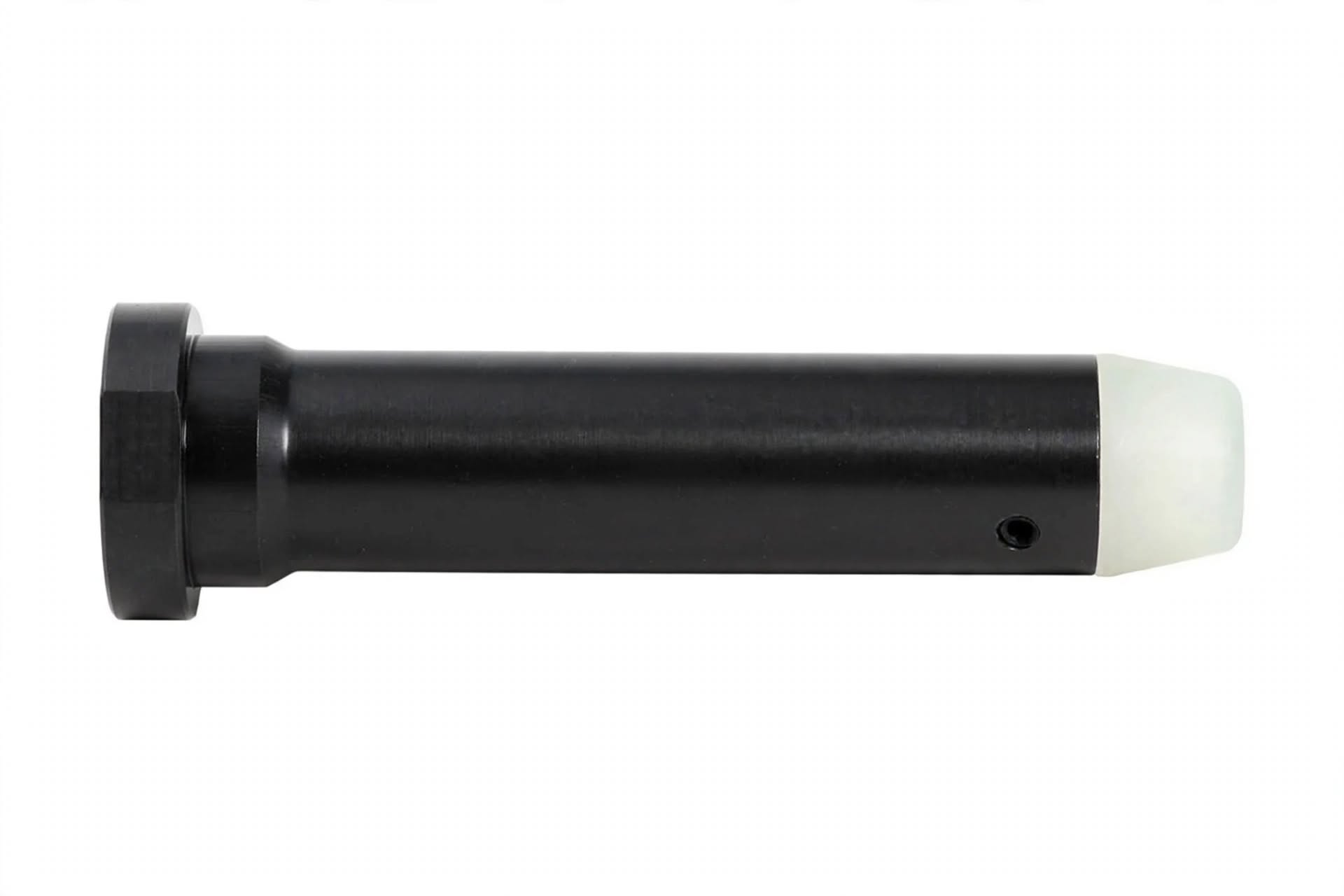
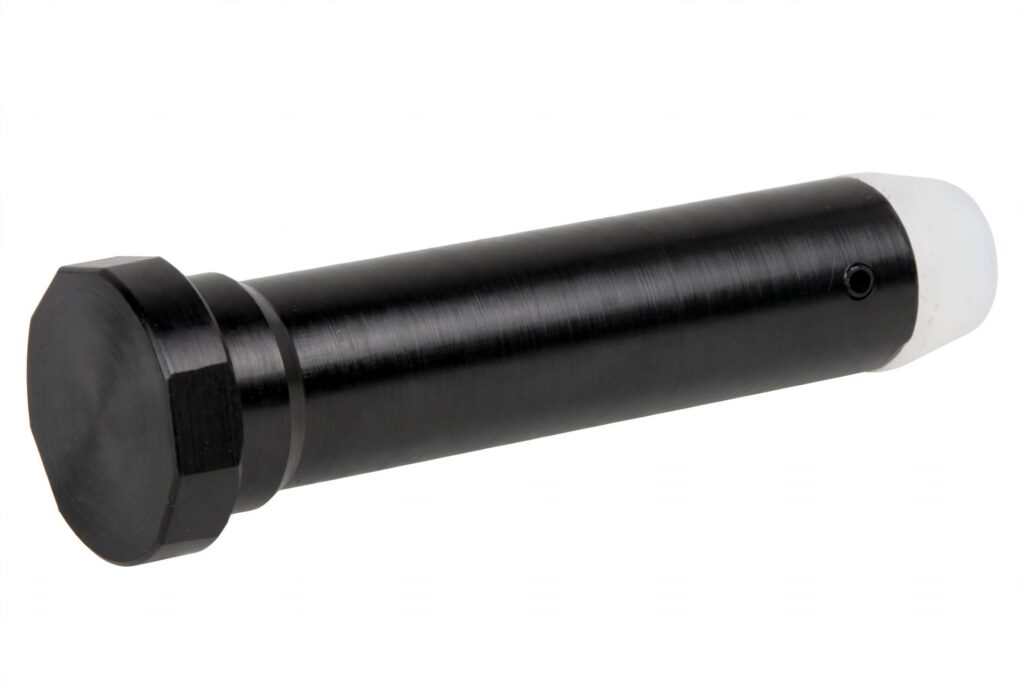
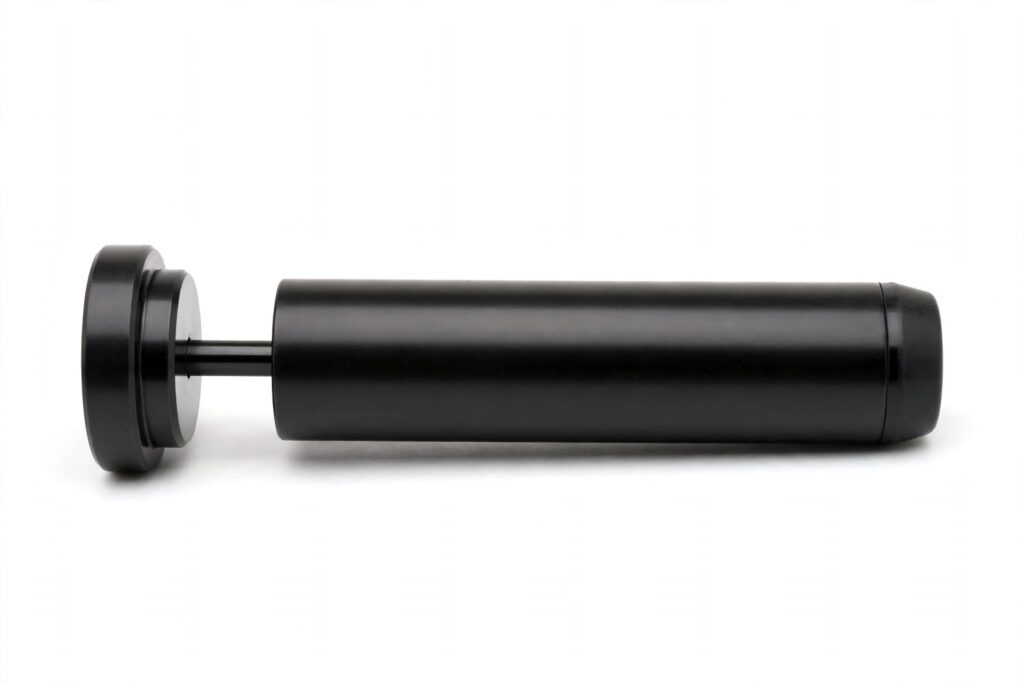
AR-15 H2 Carbine Buffer (4.7oz) – 4.7oz heavy buffer with 2x tungsten weights, dead-blow anti-bounce design. Slows the carrier, reduces recoil, fixes over-gassed and suppressed rifles. Fits all carbine tubes.
In stock – ready to ship
In stock – ready to ship
The AR-15 H2 Carbine Buffer (4.7oz) is a heavy carbine buffer designed for AR-15 / M4 / M16 pattern rifles with carbine buffer tubes, engineered to slow bolt carrier velocity, reduce felt recoil, and improve reliability in over-gassed, short-barreled, and suppressed rifles. The H2 buffer weighs approximately 4.6-4.7 ounces compared to a standard carbine buffer at 3.0 ounces, achieved by replacing one or two of the three steel weights inside the buffer body with denser tungsten weights — standard buffer uses three steel weights, H buffer uses one tungsten and two steel at 3.8oz, H2 uses two tungsten and one steel at 4.7oz, H3 uses three tungsten at 5.4oz. Increasing buffer weight delays bolt unlocking, slows rearward carrier velocity, and increases forward return force, which reduces bolt bounce, reduces carrier tilt, and allows more time for the magazine to feed the next round. In over-gassed rifles where the gas port is large or the barrel is short, the bolt carrier moves rearward too fast, causing excessive recoil, ejection at 1-2 o’clock, bolt bounce off the barrel extension, and premature extraction while case pressure is still high, which can cause case head separation and extractor wear. The H2 buffer counteracts this by adding mass that the gas must push, slowing the system to optimal cyclic rate.
This buffer is manufactured to mil-spec dimensions from 6061-T6 aluminum or steel body with black oxide finish, with internal weights that are free-floating and separated by rubber spacers that prevent weight stacking and provide dead-blow effect that reduces bolt bounce. The front bumper is high-density polyurethane that cushions buffer impact against the buffer tube and prevents damage to the lower receiver. The buffer is compatible with all AR-15 / M4 / M16 rifles using a carbine-length buffer tube and carbine-length buffer spring, including 10.5″, 11.5″, 14.5″, and 16″ barrels, carbine and mid-length gas systems, and all calibers using standard carbine buffer — .223/5.56, .300 Blackout, 7.62×39, and 9mm with appropriate BCG. Whether you are building a 14.5″ mid-length that is over-gassed from the factory, a 10.5″ SBR or pistol that cycles violently, a suppressed 5.56 rifle that is over-gassed due to back-pressure, or a competition rifle where you want softer recoil and slower, smoother cycling for faster follow-up shots, the H2 buffer is the go-to upgrade recommended across forums and by armorers as the first step to tuning an over-gassed AR-15.
The heavy buffer that fixes over-gassing, reduces recoil, and improves reliability for suppressed and SBR builds.
1. Slows Bolt Carrier Velocity and Reduces Felt Recoil for Smoother Shooting and Less Wear: Over-gassed AR-15s are the norm, not the exception — most commercial AR-15 barrels have oversized gas ports to ensure reliability with weak ammo and in cold weather, but with full-power M193 or M855 ammo, this oversize port sends excess gas back, driving the carrier rearward at 30%+ higher velocity than optimal — resulting in sharp, snappy recoil that pushes the shooter off target, excessive muzzle rise, and violent ejection that throws brass to 1-2 o’clock and dents case mouths on the ejection port. The H2 buffer adds 1.7oz of mass over standard, increasing inertia that the gas must overcome — the carrier unlocks slower, allowing chamber pressure to drop before extraction, which reduces stress on the extractor and brass, improves extraction reliability, and reduces gas blowback to the shooter’s face. The slower rearward velocity also reduces felt recoil — the shooter feels a smooth push rather than a sharp jab — improving split times in competition and reducing fatigue during long-range sessions. The added mass also reduces bolt carrier tilt — in carbine systems, the carrier tilts slightly as it moves rearward, causing wear on the buffer tube and upper receiver — heavier buffers reduce that tilt, extending component life. For suppressed rifles where back-pressure increases gas volume by 50-100%, the H2 is essential — it brings cyclic rate back to normal and prevents bolt bounce where the bolt bounces off the barrel extension and fails to lock.
2. Internal Tungsten Weights with Dead-Blow Effect for Reduced Bolt Bounce and Improved Feeding: Buffer internals matter — cheap buffers use solid steel or lead weights that stack together during cycling, causing weight stacking that eliminates the dead-blow effect and allows bolt bounce — where the bolt hits the barrel extension and bounces back slightly out of battery, causing light primer strikes or failure to lock. This H2 buffer uses two solid tungsten weights and one steel weight, each separated by rubber or polyurethane spacers — the weights are free-floating inside the buffer body — when the buffer impacts the rear of the buffer tube, the internal weights continue forward due to inertia and then slam forward inside the body, providing a dead-blow hammer effect that holds the bolt forward and prevents bounce. Tungsten is 1.7x denser than steel, allowing more weight in the same space without increasing buffer length — the H2 achieves 4.7oz without needing an extended body that would reduce stroke. The rubber spacers also dampen noise — standard buffers rattle when shaken; the H2 with spacers is quieter. The buffer body is machined from 6061-T6 aluminum or steel with a precise internal bore that allows weights to move freely without binding, even when fouled with carbon. The front bumper is high-density polyurethane — not cheap plastic — that absorbs impact and prevents the buffer from peening the buffer tube or lower receiver extension, even after thousands of cycles. This dead-blow design improves feeding reliability — the forward momentum of internal weights helps strip the next round from the magazine and chamber it positively, even with weak magazine springs or dirty chambers.
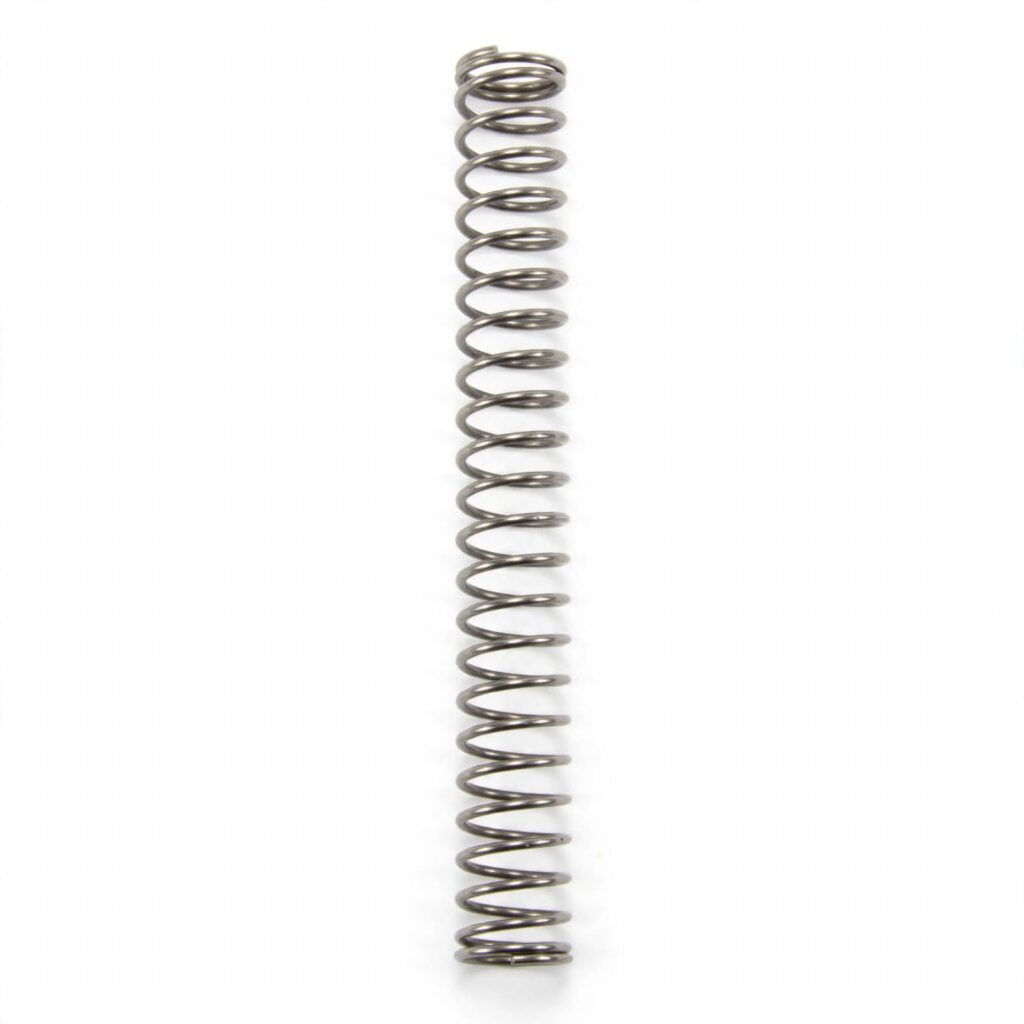
3. Drop-In Upgrade for All Carbine Buffer Tubes and Essential for Suppressed, SBR, and Over-Gassed Builds: Tuning an AR-15 gas system can be complex — adjustable gas blocks, heavier springs, and different buffer weights all interact — the H2 buffer is the simplest, most recommended first step because it is drop-in with no gunsmithing, no adjustment, and no special tools — remove rear takedown pin, pull out old buffer and spring, insert H2 and existing spring, close — done in 30 seconds. It works with all standard carbine buffer tubes — mil-spec and commercial diameter — and with standard carbine buffer springs — no need for extra-power springs unless you go to H3 or heavier. The H2 is the sweet spot for most 14.5″ mid, 16″ mid, 10.5″-12.5″ carbine, and suppressed 5.56 builds — it fixes ejection pattern to 3-4 o’clock, which indicates optimal gas, reduces recoil, and improves reliability without causing short-stroking that H3 can cause with weak ammo or cold weather. For 10.5″ SBRs that are notoriously over-gassed and violent, H2 is the minimum recommended — many SBR shooters run H2 with standard spring and get smooth cycling. For competition rifles where you want softer shooting for faster doubles, H2 slows the system and reduces dot bounce. Whether you are building a new rifle and want to start with correct buffer weight, upgrading an existing rifle that ejects at 1 o’clock or has excessive recoil, or building a suppressed rifle that needs extra mass to counter suppressor back-pressure, the H2 buffer delivers proven performance at a price that makes it a no-brainer upgrade over standard.
The AR-15 H2 Carbine Buffer (4.7oz) delivers two tungsten weights for 4.7oz total, a dead-blow anti-bounce design, and a drop-in fit for all carbine tubes to tame recoil and improve reliability.
Type: AR-15 H2 Carbine Buffer – Heavy Buffer – 4.6-4.7oz – 2x Tungsten + 1x Steel Weights – Dead-Blow Anti-Bounce Design. Material: Buffer Body 6061-T6 Aluminum or Steel – Black Oxide / Anodized Finish – Internal Tungsten and Steel Weights – Rubber Spacers – Polyurethane Front Bumper – Impact Resistant. Weight: 4.6- 4.7 oz total – Compared to Standard Carbine 3.0oz, H Buffer 3.8oz, H3 5.4oz – Increases Inertia to Slow Carrier Velocity. Function: Slows Bolt Unlocking and Rearward Velocity – Reduces Felt Recoil and Muzzle Rise – Reduces Bolt Bounce and Carrier Tilt – Improves Extraction Timing and Feeding Reliability – Fixes Ejection Pattern from 1-2 O’Clock to 3-4 O’Clock. Compatibility: All AR-15 / M4 / M16 with Carbine-Length Buffer Tube and Carbine Spring – Mil-Spec and Commercial Tubes – 10.5″, 11.5″, 14.5″, 16″ Barrels – Carbine and Mid Gas – .223/5.56, .300BLK, 7.62×39, 9mm. Installation: Drop-In – No Tools – Remove Old Buffer, Insert H2 with Existing Spring.
Reviews
There are no reviews yet.